
Why ERCES Costs Vary by Location
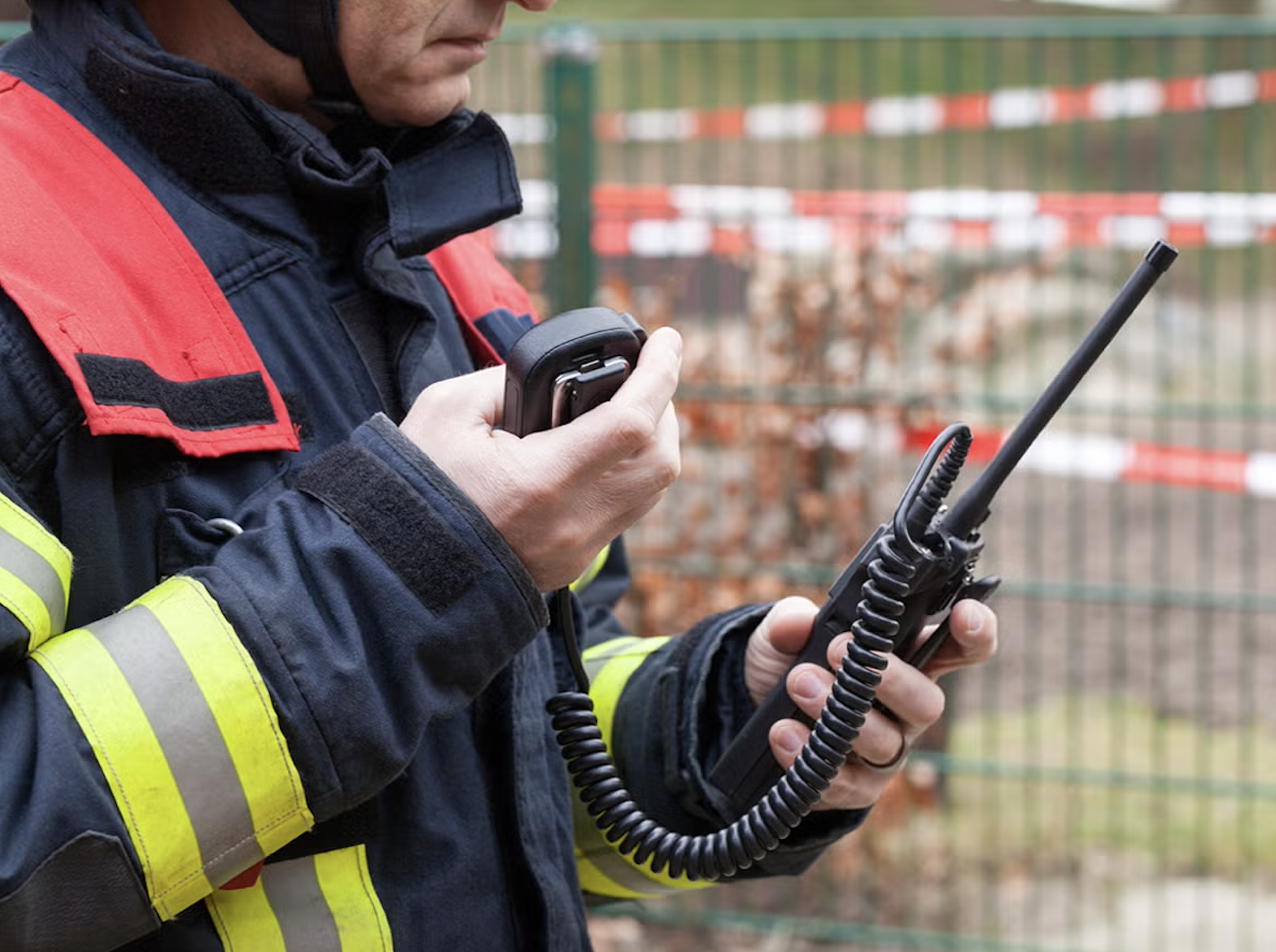
Wondering why ERCES costs differ from project to project?
If you've compared pricing on multiple projects, you may have noticed that an identical building can have dramatically different ERCES installation costs depending on where it's located. The reason is simple: local public safety radio requirements play a major role in determining the cost of an Emergency Responder Communication Enhancement System (ERCES).
Every municipality has unique ERCES requirements established by the local Authority Having Jurisdiction (AHJ). These requirements determine which first responder frequencies your Bi-Directional Amplifier (BDA) system and public safety distributed antenna system (DAS) must support to achieve compliance with IFC, NFPA 1225/1221, and local fire code requirements.
Some jurisdictions require coverage only for fire department communications. Others require a complete public safety DAS that supports police, fire, and EMS communications throughout the building. The more frequencies an ERCES must accommodate, the greater the complexity and overall BDA system cost.
Three primary frequency bands are used in public safety radio systems:
VHF (150–174 MHz)
UHF (450–512 MHz)
700/800 MHz (698–869 MHz)
The required frequency band can significantly impact your ERCES project cost.
VHF ERCES systems and UHF BDA systems often require advanced filtering because frequencies within these bands are more crowded and closely spaced. This added engineering, specialized filtering, and custom system design can increase ERCES costs.
By comparison, many 700/800 MHz ERCES benefit from better frequency separation, often resulting in lower equipment costs and a more straightforward public safety DAS design.
Passive components also affect pricing. Directional couplers, splitters, antennas, and other ERCES components used in 700/800 MHz systems are typically less expensive than comparable UHF and VHF equipment. In many cases, 700/800 MHz components cost approximately 30% less than UHF components, while UHF equipment is often around 20% less expensive than VHF.
The bottom line: ERCES costs are influenced by much more than building size. Local ERCES requirements, frequency bands, BDA system design, and NFPA 1225 compliance standards all impact the final cost of a public safety DAS installation. Understanding these factors early helps building owners, developers, and contractors budget accurately and avoid costly surprises.